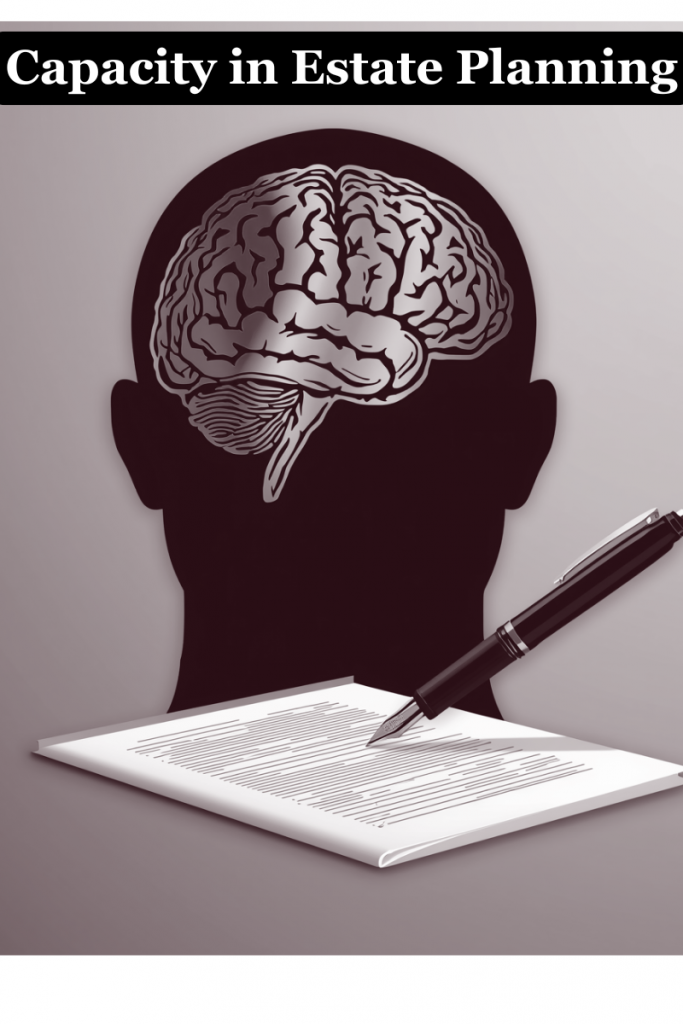
Understanding Capacity in Estate Planning
One of the quietest questions in estate planning is whether the person signing the documents has the capacity to do so. It’s a topic families may not think about until it becomes urgent, often when a loved one’s memory is fading, or after a death, when someone questions whether a will was valid. Understanding capacity ahead of time can help prevent heartache, conflict, and costly litigation later.
What Does “Capacity” Mean?
For the purposes of this article, capacity means to be of legal age or status and have the mental ability to understand what you’re doing. In estate planning it matters because a person must have the required capacity at the time they sign a document for that document to be valid.
Testamentary Capacity: The Standard for a Will
In Texas, the capacity to make a will is called testamentary capacity, and the law requires that the person be of “sound mind.” Texas courts have described this as having sufficient mental ability, at the moment of signing, to:
- Understand they are making a will and what a will does
- Understand the general nature and extent of their property, in other words, roughly what they own
- Know who they are leaving property to and understand their relationship to them
- Hold all of these things in mind at once long enough to make a reasonable judgment about how to dispose of their property
Notably, this is a relatively modest standard. Capacity can come and go. A person can be elderly, forgetful, physically frail, or even living with a diagnosis like early dementia and still have capacity, as long as they meet the test at the time of signing.
Different Documents May Have Different Requirements
A complete estate plan usually involves more than a will, and not every document uses the same capacity standard. Trusts, powers of attorney, and other agreements may be judged under different legal standards.
The “Lucid Interval”
Someone with a fluctuating condition may have a lucid interval, a window of clarity during which they understand what they’re doing, even if they’re confused at other times. A will signed during a genuine lucid interval can be valid. But because these moments can be hard to prove after the fact, they often become the center of disputes. The safer course is to plan before capacity is in doubt.
Capacity vs. Undue Influence
People often lump these together, but they’re different concerns.
- Lack of capacity means the person didn’t have the mental ability to make the decision.
- Undue influence means the person had capacity, but someone improperly pressured or manipulated them into a decision they wouldn’t otherwise have made.
A will can be challenged on either ground, or both. Undue influence claims often arise when one person isolates a vulnerable individual and steers their decisions, which is why transparency and independent legal advice matter so much.
How These Issues Get Raised
Capacity and influence questions usually surface in a will contest, where someone, often a family member who expected to inherit, asks a court to invalidate a will after death. These disputes can be emotionally devastating and expensive, and they can drag an estate through months or years of litigation. The person whose intentions are being debated is, of course, no longer able to explain what they wanted.
How Careful Planning Reduces the Risk
While no plan is completely immune to challenge, thoughtful steps can make a meaningful difference. Here are some things to consider:
- Plan early. A strong protection against a capacity dispute is signing your documents while your capacity is clear and unquestioned.
- Work with an attorney. An experienced attorney evaluates capacity as part of the process and documents the circumstances of signing, which carries weight if anyone later raises questions.
- Use proper witnesses and formalities. Texas has specific signing requirements, and meeting them precisely strengthens the document’s validity.
- Consider the timing of changes. Sudden, dramatic changes late in life, especially ones that benefit a new caregiver or one family member, tend to attract scrutiny.
- Communicate where appropriate. Sometimes letting family understand your wishes in advance reduces the surprise and the suspicion that sometimes fuels contests.
What If Capacity Is Already in Question?
If a Power of Attorney document does not already exist and a loved one has already lost capacity, it may be too late for them to sign new estate planning documents. The family may have to consider a court-supervised guardianship to manage that person’s affairs. Guardianship can be more restrictive, more public, and more expensive than planning ahead.
Final Thoughts
Capacity is the foundation that everything else in an estate plan rests on. Planning early, with proper guidance, can ensure your documents reflect your true wishes. Capacity is a fact-specific determination that depends on individual circumstances. If you have concerns about capacity regarding estate planning in your own situation or a loved one’s, please consult an attorney.
DISCLAIMER: This blog post is for general informational/educational purposes only and does not constitute legal advice. Reading this post does not create an attorney-client relationship. Every situation is different, and you should consult with a qualified attorney about your particular circumstances. For the full disclaimer, click here.